Showing posts with label RPG. Show all posts

Tuesday, September 10, 2013

The Crack Scrolls V: Dragoncandy

A dragon is no match for this feline warrior.
Game--The Elder Scrolls: Skyrim

System: PC, Xbox 360, PS3

Release: November 2011


Skyrim will suck you in. Binge gaming may ensue. Apologize to your loved ones if you start to play this game. They will miss you, and wonder where you've been months later when you reconnect at that random social gathering.

Like most Elder Scroll tittles, Skyrim is a massive videogame. For all the time spent--currently at 160 hours across two characters--I haven't come close to experiencing all the content. There's also DLC, which adds even more to this epic adventure. It has everything you'd expect from a fantasy game and then some. Players can create a wide range of classes, from a number of different races, and quest until the cows come home.

Beautiful landscape throughout the game.
The depth of the skill system is overwhelming at first, but once mastered it's a beautiful thing. Other games will force you down a strict traditional path of the warrior, rogue, or caster. You're either throwing lightening bolts, or blocking blows with your shield. Skyrim says fuck all that. If a character uses an ability, then they gain experience. It's not necessary to use skill points granted each level on abilities used in game. Anyone can throw a fireball, or pick a lock. Like in life, practice will eventually make perfect.

Obviously specialization in a select number of capabilities will define your character, but players are given free reign to figure out what works for them. You can be that archer who also summons creatures to aide them in battle, or the armored knight with a cunning tongue and pickpocket skills. Specialize in alchemy, enchanting, or become a blacksmith. Can't decide, then take up all three. The variety is mind boggling, and it increases the replay value tremendously.
Ah, the common folk.

Adding to the deep character development is a breathtaking world begging to be explored. The general theme for the game is loosely influenced by Nordic mythology. There are vast snow capped mountains, lush green valleys, caves, coasts, rivers, castles, and villages. The native populace speak in an accent the reminds me of Minnesota, and you won't go more than fifteen minutes before something random occurs. Be it a dragon attacking the local town, or a thief making a pathetic attempt to rob you.

Consistently while playing I kept thinking. Let's do one more thing. Just one more. I'll go to this town. Talk to one person, and be done. I traveled to that town, but got distracted by a murder that happened right as I strolled through the city gates. Next thing I know I'm off helping someone settle a local rebellion. Moments later I got sucked into a warrior cult who's leaders consisted of werewolves. Then I went hunting and fishing for a bit. I check the clock, it's one in the morning, and I realize another evening has been dedicated to exploring Skyrim.

Dragons take forever to finish their monologues. 
Story wise it's hard to give an overall definitive opinion. The game consists of major and minor quest lines. Each guild, the civil war, and the main story are major quest lines. With some exceptions the rest our minor. Some story arcs were more interesting then others. The dragon plot started off great, but sort of tapered off towards the end. I thoroughly enjoyed the Dark Brotherhood adventure, but didn't care so much for the Companions.

It was disappointing that the major quest lines didn't intersect very often. Also, with so many distractions from the sheer variety of this game, storytelling is hindered by a short attention span. You'll set out to save the word from the dragon menace, get distracted by a demon who wants to go bar hopping, which somehow leads you to an ancient cavern searching for a rare plant. All of a sudden you forget why you were fetching some item that was instrumental in defeating the wicked dragons.

Will you choose the Empire or the Stormcloaks?
Connecting the vast quest chains, and deep character development are the small minute to minute actions. Luckily most of these are fun, the gameplay mechanics are smooth, and the tasks are diverse. One minute you're picking a lock, the next you're launching an arrow at an unsuspecting foe. Both equally enjoyable, but each require different strategies. The game also provides interesting literature on a variety of subjects if you feel the need to do some reading. Explore, loot, read, sell/make items, and repeat. This constant rotation keeps the game interesting, and fans the flames of binge gaming.

The biggest issues with Skyrim are a semi steep learning curve, and the bugs. I spent only two years as a game tester, but my QA eye can't miss the blatant problems. Numerous visual issues, and full on crashes are not uncommon. Save often while exploring. I also found the constant chatter of NPCs to be rather annoying. Although judging from Reddit, that is now supposedly apart of the games charm.
Shot him in the neck. Still won't shut up about the Thieves Guild.

Skyrim embodies the cliche, variety is the spice of life. The games entertainment factor lies in it's diversity and solid execution. There's always something new. There's always something to do, and odds are you'll need a number of abilities to get the job done. Despite it's minor flaws Skyrim is a must own for any RPG/fantasy aficionado. Just be warned that your significant other will not be pleased if you purchase this game.

Monday, August 20, 2012

The Misadventures of Sir Click

Game: Diablo III

System: PC/Mac

Release: May 2012


Diablo III is Blizzard's much anticipated follow-up to the smash hit Diablo II. In the ten years between tittles old systems have been streamlined and new features implemented. Overall the developer covers the most important aspect of any videogame--it's fun. There is, however, much to be desired especially for those of us in it for the long haul.

Diablo II was an unforgiving mistress. Players could invest hours upon hours into a character just to find out the skills selected are useless at higher difficulty levels. This is not the case with Diablo III.

Stats are automatically assigned while leveling up, and each character has access to all their abilities once they reach the level cap at 60.  A set number of abilities and/or spells are mapped to the hot bar for use in game. Each ability has a rune that offer enhancements or changes specific properties. Selecting the different builds can be done at any time, however, it is difficult to switch things around when monsters are trying to kill you.

Although I miss the synergy features found in the skill tress of old, I do appreciate the new skills system in Diablo III. You can start your Wizard off performing ice spells, then switch to arcane or lightening on the fly. What I don't understand is the sheer number of useless runes. Many of the enhancements are unimaginative (add knockback, stun, etc.), and often the higher level runes are less effective then their earlier counterparts.

There are five classes in Diablo III--Barbarian, Monk, Witch Doctor, Demon Hunter, and Wizard. The spells and abilities for each class are typical to the franchise. Some smash. Some cast spells. Some smash, and cast spells, with a touch of healing. Each class is fun to play, but I would have loved to see more. The plot doesn't hold up well after the first playthrough, and adding additional classes would improve the replay factor.

Speaking of plot, Diablo III provides another boring main story surrounded by interesting filler and background lore. Fans of the series will be re-introduced to all their favorite characters like Cain or the Skeleton King. In fact it seems like the main heroes from the last two games are the least important characters in this fictional world. The playable cast are around just to make Tyrael look good.

Probably even less important then the heroes are their followers. They fall into the typical caster, warrior, rogue trio and frequently add such witty remarks as, "Look at the size of that monstrous creature." As they level up skills are unlocked, and each follower can equip a limited number of items. They provide decent support in game, but are never missed if you have a friend to team up with.

Yes multiplayer is where most the fun is for Diablo III. Teaming up with some friends to slaughter waves of demons is a real treat. With each additional player the difficulty increases ensuring the challenge is never lost. There is no fighting over loot because each player gets their own drops that no one else can see or pick up. As of this post there is no PvP, which is a massive disappointment and severally hinders the replay factor. You can only kill Diablo so many times, with so many different groups, before you get sick of the clickfest.

The other major issue, besides lack of PvP, is the armor system and auction house. Stat distribution on armor is completely randomized and the drop rates are horrid. Many times I found stats that would not work for any character; like having intelligence on a giant two handed axe suited for a Barbarian. Also none of the armor I have equipped on my two highest characters came from in-game drops. The auction house is where you will find relevant armor without wasting days of your life with the vain hope that the game would produce some decent equipment.

At one point I found myself spending an average of twenty minutes per game session in the auction house. This was not fun, and I started to realize there was no point to acquiring all this awesome armor just to replay the same four acts one more time on the highest difficulty. Add to this a lack of PvP, and you begin to realize there is no fun end game for Diablo III. This is a disappointment after Blizzard produced such addicting games as Diablo II and World of Warcraft.


That said Diablo III is not dead yet, and still has plenty of potential. The previous tittle really didn't take off until the first expansion hit. I'm confident that Blizzard will make some key changes to increase the replay value, but I'm hesitant to fork over any more cash. If you haven't already purchased Diablo III, then you may want to hold out until an expansion is released. The game is fun, but not quite worth the full price of admission.

Thursday, May 10, 2012

Return of the Spectres!

Game: Mass Effect 3

System: Xbox 360, PS3, PC

Release: March 2012

Bioware is to be commended for creating the amazing universe found in the Mass Effect trilogy. The aliens, characters, worlds, and stories will be talked about for ages to come. One could even argue that this is the current generations Star Trek or Star Wars phenomena. A theory that will be tested with time.


Mass Effect 3 marks the conclusion of Commander Shepard's adventures. The game begins with the much anticipated Reaper invasion. Once again Shepard must take command of the Normandy, and lead a team to save the universe from extinction. As with my other Mass Effect reviews I will not spoil the plot, but rest assured the journey is a worthy experience. The ending, however, leaves much to be desired, and will be the focus of another post.

The major difference between the first two titles and the last is the invasion itself. Everything seems much more urgent and desperate then before. Wandering the galaxy collecting resources, for example, has been streamlined. Now planets are scanned while the Normandy is flying about the sector. When the ping picks up anything of interest the scanning mini game returns from the second game. The more scans used, the greater chance Reapers will find, give chase, and destroy the Normandy. This adds to the looming external threat that was only briefly felt in the earlier games.

In the second Mass Effect, the main focus was building an elite team and forging a relationship with the crew. If you didn't complete quests for squad mates, then odds are they would parish at some point in the game. No such power is granted to Shepard this time around. The focus is the ever present invasion, and the need to gather resources. This is what drives the majority of missions, and as a result I didn't feel as connected with some of the new crew mates.

Speaking of the crew, the Normandy is not home to has many characters as the previous titles. There are about half as many combat comrades, and four of them are from the other games (Garrus, Tali'Zorah, Liara, and Ashley/Kaidan). New characters include EDI, who finds herself with a new sexy body, and James Vega, the tough but lovable soldier with a Latin flare. As with most Bioware games each squad mate has deep conversation trees that could lead to potential intimate relationships and side missions. The latter, however, is lacking compared to ME2.

(On a more personal note, I really liked how Mass Effect 3 had characters visiting Shepard's quarters on the Normandy to talk. In my Mass Effect 2 review I mentioned how annoying it was to sit through load screens just to discuss personal issues. Glad someone out there was listening/reading critiques from the fans.)

What about those lovable folks from the second game? If they aren't apart of your crew, then they're featured in various segments through ME3. Some play a more pivotal role then others, but rest assured Bioware left no one out. Unless, that is, you had them killed over the course of the trilogy. In that case they'll be replaced with a similar but different character, or will not show up at all. Tali'Zorah, for example, is a key figure in the third game. Her untimely demise will have a greater impact then the death of Grunt or Jack.

This brings me to one of the most awesome features of this series--the imported character. Bioware has created a world where one character can be played in three games. The choices made are felt throughout the series, which increases re-playability substantially.

From big story beats to subtle conversations you truly feel like your decisions matter, and will have an impact in the game world. Despite the controversial ending, I praise Bioware for providing an awesome connected experience across three different games. Something I've personally never seen before.

Regardless of your past decisions, with the Reaper invasion in full force you'll be spending plenty of time in battle. Combat in ME3 is fluid and fun. Like the second game powers can be mapped to three hot keys, and encounters can be stopped at any time by bringing up the power wheel. This allows players to coordinate teammates for devastating blows against more challenging opponents. Level design is suitable, and a few of the scenarios fit the cliche--edge of your seat action!

Unlike the first game, each class is fun and offers a unique experience encouraging multiple playthroughs. In fact, the combat and classes are so much fun that they are the main force driving the somewhat repetitive multiplayer. That's right folks. ME has MP.

Four players take on the rolls of various species and classes to fend off waves of enemies. Each class has a number of races to choose from. The cool part is the leveling system. Classes gain experience as a whole. E.g. Playing as the Geth engineer will level up the Human of the same class.

There was even free DLC adding more maps, weapons, and characters to unlock. Completing multiplayer mission objectives will be rewarded with credits that can be cashed in for additional content. There are numerous packages to purchase that offer a variety of rewards. The more expensive the pack, the more likely a rare item will be unlocked.

This seems awesome at first. A reward system to increase re-playability. Then you spend an entire weekend trying to unlock one character and fail. All of a sudden MP has lost its replay value. Unfortunately if you want a particular ending for the campaign you will have to play MP.

Yep! The multiplayer affects single player, and will dictate subtle events during the final part of the game. A map appears in both segments denoting the "Galactic Readiness." The higher the percentage the better, which can be a challenge.

The percentage declines steadily over time, but will never go below 50%. If an MP class reaches the level cap at 20, then that class can be promoted to SP. This will result in a permanent percentage increase in your Galactic Readiness, and the promoted class will be reset to level one.

Although the relationship between SP and MP is poorly explained in game I do enjoy the concept. Not many games connect various modes into a cohesive unit. Multiplayer is also a good quick fix for fans who want more action then plot. All of this illustrates an attempt to mix up the traditional Bioware formula.

Mass Effect 3 has it all. An ending to a trilogy brought to us by the awesome folks at Bioware. They continue to uphold their reputation for great writing and fun experiences. They've also improved each iteration in the series at numerous levels. Add on some multiplayer and you have a robust package that is sure to please fans of shooters and RPGs alike. I whole hearty recommend this franchise, and I look forward to future (non-Shepard based) adventures in the Mass Effect universe.

Monday, August 15, 2011

Dragon Effect II

Game: Dragon Age II

System: PC, Xbox 360, PS3

Release: March 2011

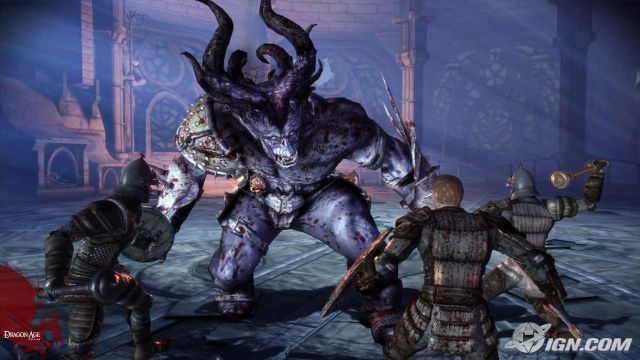
Dragon Age Origins was a fantastic game that brought the classic fantasy setting to gamers everywhere. This was especially welcomed by console owners looking for something besides Elder Scrolls. DAO, however, was full of bugs and really seemed like a rough draft for something greater.

Enter Dragon Age II. Bioware tightened up the animations and combat, and added features seen in the studios other successful franchise Mass Effect. The end result was another epic RPG with plenty of combat. The lore of Dragon Age was also expanded upon, and sets up the franchise for another sequel.

Because the sequel was very similar to the original I am not going to waste too much time on the basics. The most notable change was made to combat. Despite the complaints of "dumbing down" the game I feel the changes were for the better. Enemies weren't as glitchy, there were more combat encounters, and the spell/talent trees have been simplified. The same classic strategy of healer, tank, DPS is still running strong, and this franchise is still the closest thing to World of Warcraft that isn't an MMO.

Art bugs and level of detail issues also saw a touch up from the original. Collars actually stayed on shirts, swords hit enemies, lips moved when people talk, mountains did not disappear, etc. Everything from character models to environments also saw a welcomed increase in detail. Only on a few occasions was the suspension of disbelief disrupted because of art issues. Overall the game ran, in combat and out, much smoother then the previous tittle.

The most jarring change to Dragon Age II came from the studios infusion of Mass Effect features. The main character can only be human, and the last name will always be Hawke. Gone are the multiple race background stories. This, however, allows the main playable character to have a speaking role which enhances the games story telling ability. The dialogue tree found in Mass Effect is also present.

Like Mass Effect 2, players can import their saved data from Dragon Age Origins. This will effect their experiences in Dragon Age II, and dictate certain events found throughout the game. A particularly awesome moment, for example, will occur if you sent Alistar into exile during the first game.

Finally, the events in Dragon Age II--like Mass Effect 2--leads to an inevitable sequel. This ploy really bugged me when Halo 2 came out, but by now I've come to expect such shenanigans from game developers. I am really interested to see how all the events in Dragon Age II play out, which is music to Bioware/EA's ears.


In the end Dragon Age II was another outstanding RPG from Bioware. The annoyances--repetitious level design and tons of load screens--were few, and did not hinder the overall experience. Cleaning up the art and combat was a huge plus, and the infusion of Mass Effect features was a smart move. I'm really looking forward to the next Dragon Age tittle, and the conclusion to this epic franchise. Snerts Snazzy Score is On Sale! for the average gamer, and Full Price! for fans of Bioware and/or classic fantasy RPGs.

Tuesday, June 28, 2011

Attack of the Clones!!!

I started writing a review for Homefront, but then fell into a rant. Enjoy. 

Homefront has everything that a solid FPS should have. Dynamic characters, solid gameplay, and well done cinematography. Despite having all this I will inevitably don the score of Gamefly--rent, play, move on. Why? Because I'm bored. 

Yes bored. 

I am tired of the tedious clones and other crap that graces the current console generation. 

There are a plethora of great shooter franchises to pick from, and I seldom find the new comers (Bulletstorm, Homefront, Borderlands) worth the full price of admission. The genre is overloaded with gimmicky copy cats. They add one or two neat ideas that often fail to hold interest over the coarse of the game. Bullet-time in FEAR. The leash in Bulletstorm. The nano suite in Crysis. All were fun at first, but didn't add enough to the basic formula. Shoot, run, shoot, find cover, reload/heal, repeat. The best I can hope for is a decent story that encourages me to finish the game. 


I find myself buying sequel after sequel. I have five Halo's, three Call of Duty's, two Left 4 Dead's, and one Bioshock. Each of the sequels offered something new, and often have the multiplayer community to warrant the purchase. Still I doubt Halo 4 and MW3 will offer anything substantially different. Yet I, and millions of others, will probably buy the next sequel because it's better then the clones. 

Hack n' slash games fair no better. God of War and Ninja Gaiden were games that broke barriers. The sequels were fantastic additions to each of the franchises, but it was more of the same. A few new comers pop up hear and there. Bayonetta was decent, and so was Heavenly Sword. I also enjoyed Force Unleashed and Afro Samurai. None had the same impact as the first God of War. None were as challenging as Ninja Gaiden. 

Next up on the chopping block is Bioware. I've thoroughly enjoyed most of their games, but I'm no fool. I can see a pattern that started with Knights of the Old Republic on Xbox. Moral choices, elite secret organizations, wacky friends, love affairs, and deep conversation trees; all while touring world/galaxy. This is in every title since KOTOR, and I doubt Mass Effect 3 will be any different. 

Similar statements can be made about the Fable and Fallout franchises. The first Fable and Fallout 3 were fantastic, but the sequels tended to be more of the same. A young child has something traumatic occur that leads him/her on a life long path to redemption...or revenge! Along the way they have to perform a bunch of tasks to become famous...or infamous! You make allies, gain abilities, and complete quests in the same world over and over again. RPG developers are also notorious for bugs, which is pretty sad considering the lifespan of the current console generation. 

Genres I'm unfamiliar with will only lead to speculation. So here we go!

Open world titles are series of already known mini games spread across a vast area.  New sports games, and fighters, offer roster updates and a few new moves. Racers are the same old tired franchises. JRPG's seem to be stuck in a rut, and RTS games still suck on consoles. Music inspired games is a dead genre beaten by Activision and slightly kicked by EA. Finally, since 2004, the MMORPG genre continues to be equated with World of Warcraft. Everywhere you go it's clones and sequels (or expansion packs and dlc).

I want a new and amazing videogame. I want that same feeling I got playing Splinter Cell, Shadows of the Colossus, or Halo for the first time. I want to play a game over and over again because it's that good. Something that hasn't happened since Batman: Arkham Asylum. 

One day my Gamefly account will be used for something besides sequels and clones. I'll be patient, and save money. I don't have any fantastic ideas after all....just complaints. Perhaps it's just me, or maybe developers need start coming up with better material to earn my money. Either way I'm bored. Time to take up some new hobbies, and catch up on that reading list; in between the drum n' bass events and pool parties.


Tuesday, January 11, 2011

It's Good to Be the Monarch

Game: Fable III

System: PC & Xbox 360

Release: October 2010


Fable is a franchise I love to hate. The first game featured a brilliant blend of Zelda action/adventure with casual The Sims like NPC encounters. Magic was plentiful, moral systems were excitingly new, and customization was greatly encouraged. Go ahead hero. Be the money grub'n, lady lov'n, real estate kingpin you've always wanted to be.

Fable II was disappointing. The game went less RPG and more causal adventure. The Sims aspect was greatly expanded at the cost of magic and combat. Co-op was a joke, and the DLC support seemed extremely lack luster compared to the competition aka Bioware.

Now there is Fable III. A game where you lead a revolution to become king or queen. After which you must rule your kingdom and prepare for an on-coming invasion. I'd be lying if I said the game wasn't fun. I played through it twice on each moral path. Both times presented hours of entertainment. I simply have to get over the fact that Fable is not a RPG. It is an action adventure game.
Lionhead, like other studios, consistently produce games with the same bugs. Characters and backgrounds consistently lose their detail. The frame rate dips frequently, and certain animations look horrible. A new hand holding system is a neat idea, but companions are often hung up on various environmental hazards like crates or corners. Finally the menu system is still ridiculously tedious. How many menus must I go through to repair houses or change clothes? Sure the Sanctuary and butler were a nice touch. Changing gear in a dressing room makes sense, but it doesn't cut down on my time spent in the pause menus. If the studio streamed lined combat and magic, then they can stream line the time spent managing the little things.

Fortunately Fable III also continues the series strong points. The Sims aspect is once again greatly enhanced. Each NPC can give the player a relationship quest. This is how you woo a potential spouse, or set fear into the hearts of your subjects. The real estate game is once again vital to collecting wealth, and a ton of fun. Families, whores, and chickens. What else could you want from Fable?

Combat and leveling up is dumb down to the lowest possible level. No more stats to manage. Players go to the Road to Rule and unlock magical chests. They contain combat moves (magic, melee, range) and NPC interactions (including buying homes and businesses). Chests are unlocked by spending Guild Seals earned from quests and combat.

Melee and Range attacks are pretty much the same as Fable II. The legendary weapons do have an interesting upgrade system. The player must perform specific tasks to power up the weapons. These range from dragging people to work, to getting a certain amount of kills during the day. The upgrades also provide incentive to mix the combat up, which is a good thing for this franchise.

Magic spells have once again been diminished. You can no longer cast a spell to summon creatures or slow time--you use potions. There is no longer a confusion spell nor is there any new magic to the series. What little witchcraft you know can be mixed with a new feature called Weaving. The combination are very fun, but I found myself sticking with lightening powered fire balls during both play throughs. This game really could have used some more magic not less.
So what makes Fable III different from Fable II? The plot. Taking over a kingdom and ruling the land is a ton of fun. The story is corny cookie cutter crap, but I enjoyed it. The action was well paced, and the game didn't suddenly end. The connection with the previous title also strengthens Fable III. Playing as the offspring of the hero from Fable II was a great idea. The presence of your father was a neat touch while exploring the lands of Albion. Finally the character development for allies was well done. I truly wanted to help these interesting stereotypes out.

Fable III is a fun game. It has all the cheers and jeers you would expect from the franchise. Not much has changed in Albion, but what there have been some improvements. Snerts Snazzy Score is GameFly!--rent it, play it, forget about it. The game almost made it to the rank of On Sale!, but failed to deliver that extra magical something.

Friday, July 23, 2010

Late to the Fallout 3 Party

Game: Fallout 3

System: PS3, Xbox 360, PC

Release: October 2008


Fallout 3 is a great video game. Anyone who is a fan of the FPS or RPG genre will enjoy themselves. The game has been out for about two years. It has won many awards, and there are a ton of DLC packs. I'm not going to bother typing out words to praise the game further. Snerts Snazzy Score is a 5 out of 5, but I do have one complaint.

*Spoiler Alert:

Two of the best features Fallout 3 has to offer are story and immersion. You start off in your mothers womb, and finish following in your fathers footsteps (for those goodie goodies out there). The game world is huge, and I spent countless hours just exploring. In the end you have the cliche choice to sacrifice yourself, or convince someone else to do the deathly deed.

To purify post apocalyptic D.C.'s toxic water supply, save the lives of your comrades, and be an all round good dude you must enter a room containing lethal amounts of radiation. No matter what you do this act will kill you. I wouldn't have a problem with this deed if I wasn't traveling with a companion who could have withstood the radiation.
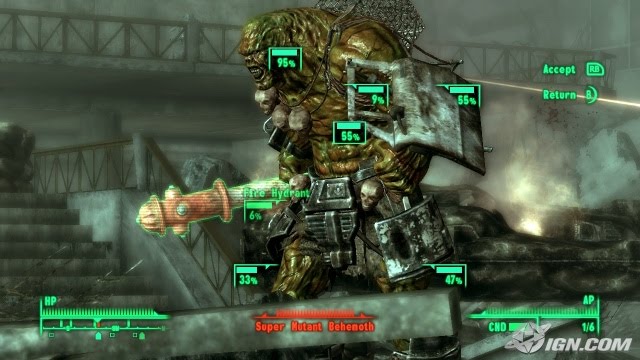
A few missions prior an intelligent Super Mutant named Fawkes aides you in a primary quest. The player is later given the option to have Fawkes accompany you on your journey. Fawkes is immune to radiation. If you do not have the DLC pack Brotherhood Steel, then you will not be able to convince Fawke to enter the radiated room.

This did not make sense, and ruined the ending of an otherwise fantastic story.

Friday, November 27, 2009

Bioware Has Done It Again

Game: Dragon Age Origins

System: PS3, Xbox 360, PC

Release: November 2009


Dragon Age: Origins is another fantastic rpg from Bioware. This time the development team has set aside the far reaches of space and returned to the land of Tolkein like fantasy. So if you’re looking for another KOTOR forget, and if you want another adventure with Commander Shepard then you best wait to next year. If, however, you want an epic fantasy that will suck you in for hundreds of hours, then look no further.

One of the first things players will notice about Dragon Age is the vast selection of origin stories. There are a total of six starting zones that differ significantly and affect certain scenarios throughout the game. Players can choose their gender, race, background, and class. The races are as basic as it gets with the human, dwarf, and elf trio. In this fantasy land called Ferelden humans rule all, and they are their usual greedy arrogant selves. They are also very religious following their Christian like belief via the Chantry. There is only one background story for the human race involving nobility, but I have yet to play through that opening. Dwarves have their own kingdom, but are constantly warring with themselves and the Darkspawn—evil orc like creatures. There are two starting areas for dwarfs that resemble the classic tale The Prince and the Pauper. The elves are the least prosperous of the races. They are either ex-slaves trying to get by in the city slums, or nomadic Dalish elves who attempt to bring back the glory days. Each of these lifestyles represents the starting areas for elves. The final background story is not dictated by race, but by class. All mages begin at the Circle of the Magi; a school/penitentiary for all law abiding mages.

The other two classes in Dragon Age are Warrior and Rogue. Some may criticize Bioware for being so generic, but I personally found the common terminology a relief. I’ve memorized enough useless information in my life, and the last thing I need is another term for armored badass who swings giant weapons to kill things. Anyone familiar with Dungeons and Dragons or World of Warcraft will quickly realize the proper roles for each class. Mages and Rogues are support and damage classes while the Warrior is an agro hogging meat shield. There is no all powerful class, and each has its own unique advantages/experiences. The combat is set around a squad of four so pick your favorite class for the main character. By the time you finish up the first segment of the game you will have a rogue, warrior, and mage to party up with.
Customization is the name of the game in Dragon Age. After selecting their gender, race, background, and class players get to shape their hero to their liking. The same facial customization features used from Mass Effect are found in Dragon Age. Now players can create ugly dwarfs and elves in addition to humans. There are also voice options that dictate basic battle chatter for your main character. This is a great feature, but sadly pales in comparison to Mass Effect which has voice acting for the main character—something rarely seen in rpgs of this nature. In addition to basic looks and class talents players are allowed to customize characters with specializations. There are four for each class, and they have to be unlocked through quests and in-game books. Once a specialization is discovered it becomes available across all playthroughs. Each build plays differently and unlocks unique abilities. Rogues, for example, can become Duelists/Assassins who focus on melee combat, or Bards/Rangers that better compliment an archery build. This extra layer of customization improves replay value, and overall enjoyment of the game.

Sticking to the fundamentals is the middle name of the game for Dragon Age. Like other Bioware titles the writing and gameplay are familiar and solid. Every bit of dialogue or text is entertaining to absorb. The plot is generic but it works. There are also dozens of hard choices and adult scenarios throughout the game. Sometimes you’ll be stuck with a bad or worse decision. SPOILER START—During one quest you get to pick between the life of the mother or child.—END SPOILER These aren’t your cookie cutter good or bad scenario. You’ll be forced to make tough decisions that may not sit well with your high morals—if that’s the type of role playing you enjoy. Your companions will also judge your actions harshly, and if they disapprove significantly they’ll leave. When I went through the game as a big jerk I ended up with only six out of nine teammates.

Gameplay is very similar to Mass Effect and KOTOR. Combat is in real time, but can be paused at any moment to dictate a characters next move. It is essential to figure out proper tactics for each class. The default AI is pretty dumb, but can be molded into a brilliant fighter. As mentioned early each class has their own role or style of play. Melee Rogues should always attempt to backstab opponents. Mages work best from a distance, and warriors charge into battle. There isn’t anything new to combat in Dragon Age, but everything is done well.

Bioware manages to uphold their awesome reputation for great writing and solid gameplay. They also, unfortunately, continue to release games full of bugs. So I guess you can say, shipping a game with numerous bugs is the last name of the game. Throughout your adventures in Ferelden an observant player will notice numerous art issues. Clothing textures disappear frequently around the neck and shoulder. Fingers lack collision and magically phase through forearms. The level of detail, or LOD, is also sporadic with backgrounds suddenly popping in and out. In addition, cut scenes will repeat themselves if a player interacts with a NPC before the proper script is triggered. The quest helping the templar in the Alienage orphanage being the worst offender. Audio bugs are also an issue. There is more then one occasion where the dialogue cuts out, and with no subtitles on you tend to miss important information. Finally each playthrough has resulted in at least one progression stopper. These issues are not enough to discourage purchasing this game, but they are an unwelcome distraction.

Hundreds upon hundreds of hours can be spent playing this game. There are numerous possibilities for each scenario, and character customization is gynormous. The combat is solid and the writing fantastic. Bioware has released the quintessential fantasy rpg for this generation of consoles. Take away the bugs and this game receives a perfect score. Unfortunately I can’t simply ignore so many small issues, and as a result Snerts Snazzy Score grants Dragon Age Origins a respectable 4.6 out of 5.

Saturday, February 21, 2009

Fable I vs. Fable II: Battle over Albion

Fable is one of my favorite original Xbox games. Lionhead Studios presents an excellent action RPG that fuses together the gameplay of Zelda and the interactions of The Sims. Naturally when Fable II was announced I was excited. The hype machine of Peter Molyneux promised improvements to the original formula and awesome new features like coop. The end result was a game almost totally different from the first. Were the changes for the better?

Fable 1

Likes

-The combat system is simplistic yet fun. Melee, range, and a multitude of magic attacks could be combined and executed with ease. There are over a dozen magic spells, and the legendary weapons are spectacular.
-The appearance and growth of your character is unique to Fable. As the player grows old from the use of magic they will acquire scars, tattoos, haircuts, and a host of outfits. The moral choices you make also effect your appearance. Good boys will look like darling angels, and naughty lads will resemble horned devils.
-Interacting with non-playable characters (NPCs) is a real hoot. Go on a murdering rampage in a local town, and future inhabitants will run in fear. Slay the bandits and save the day to be praised by the masses. Pass out booze, be the life of the party, and stop by the local brothel. Find a girl, or guy, and get married. It’s like a stripped down awesome version of the Sims in a fantasy setting.
-The ability to buy, upgrade, and/or sell property was a blast. Yes real estate in Albion is fun.
-The music and graphical presentation is top notch. Fable is one of the most beautiful games available for the Xbox.

Dislikes:

-The targeting system has a real nasty habit of highlighting friendly targets during combat. This is especially annoying for escort quests.
-The overall game is short, and the story is bland. Jack of Blades is boring, and saving Albion never seems that important—especially when I spend most the game ravaging the country side.
-Completing the main story practically ends the game. Sure you can go around and collect everything, or buy every single piece of property, but that’s boring. A handful of repeatable quests would have gone a long way.
-The menu system is cumbersome, and it is a little too easy to accidentally use items.
-The multitude of slow load screens, and generally small areas, break up the pace of the game.


Likes:

-Interaction with NPC’s is brought to new heights. Dozens of enhanced expressions denote your intentions to the world. Unprotected sex will lead to children, and an unhealthy diet will result in an unfit appearance. There is also a safety mode that will guarantee no fatal accidents occur while entertaining the local populace. Fable II improves the already solid NPC interaction from Fable I.
-Fable II introduces the dog. This faithful companion will help you in combat, dig up secrets, and add another layer of NPC interaction. The dog mainly acts as a quasi HUD, and is a great addition to this franchise.
-Range combat gets an upgrade. Players can upgrade their skill to the point where they can target individual body parts. This adds another layer of depth to the old range system.
-The villain is more effective in Fable II. Players will likely feel resentful towards the antagonist straight from the get go. This enhances the main story significantly.
-Loading times are improved. Travel time is cut town with a teleportation system, and quests objectives are easy to find with the golden trail. In addition, each area is generally larger adding to the epic scope of Fable II.
-Unlike Fable I, the sequel packs in plenty of repeatable quests. Jobs and secondary quests will keep people playing once the main story is completed.
-The real estate system is bigger and better then ever. Castles, rent control, and an automatic rent collection system make buying property fun.

Dislikes:

-Melee and magic are strikingly different from Fable I. Less then a dozen spells are available, and stringing together range, melee, and magic combos is considerably harder. The magic charge up/cast system in Fable II is vastly limited in comparison to Fable I. Melee is restricted because of the numerous range encounters, and feels underpowered in comparison to the original.
-There is no epic boss fight in Fable II. The story is a tad bit better then Fable I, but that doesn’t excuse the absence of an action packed finale.
-There is no Hook Coast or Knothold Glade in Fable II. This dramatically shrinks the size of Albion. It also leaves an empty feeling inside for fans of the original game. Sure the dlc adds Knothold Glade, but that adds another ten bucks to the overall cost. To be fair, readers should know that I have not played the dlc. For all I know Knothold Glade is worth the price of admission.
-Fable II’s menu system is still a pain in the butt. Hours will go buy navigating the many menus in order to take potions, change clothes, or do just about anything.
-Co-op is a travesty. Players are forced to share a camera, and clients cannot bring their unique hero to a host’s world. Any time the menu system is accessed the game is paused. Co-op in Fable II is simply not fun, and will be mostly utilized for achievements.
-Items in general are less impressive in Fable II. Legendary weapons are weaker then weapons purchased from a blacksmith. There are only a handful of unique guns, and the amount of clothes is surprisingly limited. Tattoos are not as vivid. Only celery makes you thin…etc. etc. etc.


I really enjoy both Fable I and II. Each game provides an entertaining experience that any action RPG fan can enjoy. The first game did many amazing things, but had some significant issues. Initially Fable II appeared to deliver some improvements and new features. In reality the sequel enhanced some of the older features, butchered others, and introduced a dog. Both games suffer from poor menu systems and uneventful stories or finales. The change to melee and magic in Fable II fails in comparison to Fable I. Conversely the range combat, repeatable quests, and NPC interaction is top notch in Fable II. In the end, each game is fun but for different reasons.

Many sequels, like Gears of War 2 or Halo 3, attempt to solidify the existing formula. They may add some new bells and whistles, but nothing radically different. The Fable franchise appears to reinvent the wheel with each release. This results in brilliant new features, but can hurt the games overall quality. Hopefully by Fable III, Peter Molyneux will figure out what he wants to do and focus on a solid execution.

Tuesday, February 5, 2008

Would You Kindly Buy Bioshock?

Game: Bioshock

System: Xbox and PC

August 2007

Would you kindly pick up a crow bar or some other blunt object? From the moment I heard those sweet words I was in love. Bioshock is one of those games that attempts to combine multiple video game genres and does so phenomenally. This game is a science-fiction horror first person shooter with RPG elements. The plot is shocking, compelling, and is destined to become a future blockbuster movie. Ken Levine creates a disturbingly vivid dystopian world influenced by the works of Ayn Rand and George Orwell. Take a deep breath boys and girls. We are about to enter Rapture.

The game begins in the year 1960 with you, Jack, in an airplane that crashes over the Atlantic. Strangely there is a nearby building that you can swim to, and inside there is an inviting diving pod. From there you run into your first human contact Atlas, and the adventure of a lifetime begins. Rapture is filled with all sorts of wonderfully amazing things. Stem cells from a sea slug have created the substance known as ADAM. This product has insane possibilities and eventually spawned the Plasmid Corporation. From in-game scenes and scattered tape recorders, you discover that this company provided everything from the cure for cancer to pyrokinesis—that’s setting stuff on fire in layman’s terms. Eventually a power struggle develops between two men; the founder of Rapture Andrew Ryan and the founder of Rapture’s blackmarket Frank Fontaine. Of course various things go horribly and disturbingly astray, and it is up to Jack to sort it all out.

Bioshock utilizes the awesome power of Havoc Physics for stunning environment and rag doll effects, and the gameplay is extremely smooth with the Unreal Engine 3.0. Movement is fluid, the environment is very immersive and interactive, and the sound is top notch. Players get a host of upgradeable weapons and special abilities brought to you by the Plasmid Corporation. Powers include pyrokinesis, telekinesis, electric bolts, killer bee swarms, and more. There are also passive abilities that make hacking easier, add bonuses to health packs, and provide a host of other useful talents. The offensive powers interact with the environment for outstanding encounters. My personal favorite was setting people on fire, and when they jump into a near by pool of water I let loose an electric bolt to finish them off. Yes...you read that correctly. The AI is smart enough to jump into a pool of water when it is on fire.

Enemies come in two styles: mechanical and human—if you can call these things human. All of these enemies are extremely smart, and will force players to stay on there toes throughout the game. Turrets, cameras, and drones will be consistent pains in your ass. Luckily you can attack, sneak, and hack your way past these obstacles. Hacking will also unlock various vending machine benefits, and is accomplished through a pipes mini game that resembles the popular PC game Pipe Dream.

Human enemies take on a variety of mutated forms. Splicers are very agile humans that wield two curved hooks. They move quickly, crawling across the ceiling and walls, and they will jump out of various hiding places unexpectedly. There are also deranged humans wandering Rapture in search of ADAM. They wield guns, pipes, monkey wrenches, and anything else they can get a hold of. Precious ADAM is derived from Little Sisters, who are helpless little girls that harvest dead bodies for stem cells. Big Daddies, however, make the Little Sisters a lot less helpless and a hell of a lot deadlier. Killing these monsters will reward you with the benefits of harvesting ADAM from the Little Sister.

How much ADAM you take from Little Sisters is up to you. Early on in the game you will be confronted with the ultimate choice. Harvest the Little Sister to death, or use the device Dr. Bridgette Tennenbaum gives you that extracts a portion of the ADAM and allows the girls to live. Pick one or the other, and stick with that choice. Each will result in a different ending, and trust me you will want to play this one more than a couple of times through.

Bioshock has won numerous awards for its overall presentation, plot, and gameplay. Many websites have given it the honor of Game of the Year for 2007. My own personal score will be no lower. Bioshock gets an amazing 5 out of 5. There was nothing in this game that I didn’t enjoy. The only issue I could possibly think of is a lack of multiplayer, but the balancing issues would be a huge deterrent. Fortunately this game doesn’t need a multiplayer mode to stand out as one of the best video games of 2007.

Sunday, February 3, 2008

Mass Effect

Game: Mass Effect
System: Xbox 360
Release: November 2007

Very few companies produce high quality RPGs that make gamers tingle with anticipation. With my flame suit handy, I would like to unofficially pronounce Square Enix, Blizzard, and Bioware as the all time champions of epic RPG experiences. Don’t get me wrong. Lionsgate can rock socks with Fable, and Nintendo does have the original hit with Zelda. The top three, however, have a special place in my heart that cannot be ignored.

Tonight I will take a look at Bioware’s latest monster entitled Mass Effect. From the company that brought us the reward winning Knights of the Old Republic (KOTOR) and Jade Empire, this latest installment takes us to a galaxy far far away. Oh wait…this isn’t a Star Wars game!? That’s right there are no Jedi’s. Let that sink in…Space…Smugglers…Galactic Alien Governments…no Jedi’s.

Mass Effect places you in the shoes of Commander (insert name here) Shepard. With amazing customization abilities, players not only pick their gender and class, but personalize a back story and manipulate facial structures. The facial customizer allows you to choose premade characters, and manipulate their appearance in sometimes disturbing ways. Eyes, ears, nose, mouth, and more can be widened, shortened, stretched, and shrunk. There are two genders—for those of you who flunked Sex Ed.—six classes, three choices for your point of origin, and three choices for your infamous historic deed.

The last two options mentioned above really add a layer of personal depth to this game. You get to choose rather you are a Spacer with a military family, Colonist who lost their parents to a horrible attack, or an Earthborn raised on the rough city streets of Earth’s metropolis. Afterwards you decide if you want to be a Sole Survivor, War Hero, or Ruthless son of a bitch. These choices affect your gaming experience, and provide interesting reads for the avid RPGers. If you pick Ruthless, for example, than someone will recall your reputation for getting the job done no matter what the costs. Similarly, your birth place will unlock or determine certain events in the game. As a Spacer, I ran into an old friend of the family. He was down on his luck, and needed some help, but none of this was available as an Earthborn. Just like the Spacer is never contacted by a member of an old Earth gang they used to belong to. These options, along with the facial customizer, increase the replay value significantly, and ensure that players will make a personal connection with their character.

Classes are divided into hybrids and mains. Mains are Soldier (combat), Engineer (tech), and Adept (biotics). Hybrids are a combination of two main classes: Infiltrator (tech and soldier), Sentinel (biotic and soldier), and Vanguard (biotic and tech). In my humble opinion, the hybrid classes are a joke, but I’m sure someone somewhere enjoys them. I personally picked the Soldier and Engineer class for my two careers. Nothing beats the superb combat skills of the Soldier, and blowing stuff up with Tech abilities is a ton of fun. Tech talents also improve your ability to recover electronic debris, and will allow you to hack into crates, lockers, and doors with ease. Biotics are at first confusing, and may leave you thinking that you’re a gimped Jedi. At higher levels, however, these abilities really shine and can turn the tide of many encounters. Overall, there is enough variation to suit the taste of most RPG fans.

All of the classes and many other aspects of the game have a steep learning curve. You will die and not understand why until you figure out the combat system. All combat is live action, but players freeze the chaos to use their abilities. This takes a bit of practice to master, but once you do things go smoothly. It also seems that once you hit level 30 only full-on frontal assaults will kill you. That’s right no frontal assaults—unless you like death. Cover, shields, and guns dominate the play style. As I put my back up to a crate and returned enemy fire I found myself thinking of the N64 hit Winback a lot. The standard four guns—pistol, shotgun, assault rifle, and sniper—are available, but only the Soldier class can use all weapons effectively. The other classes tend to use the pistol and one other weapon that they can level up with talent points. Like any good RPG, increasing your skill with a particular gun will grant unique abilities. The shotgun, for example, has a rocket launcher attack that is unlocked to those who invest the points. Guns, along with other equipment, are upgradable, but unfortunately players will be able to pick up the best equipment rather early on in the game. This leaves oodles of pickups that end up being sold or reduced to Omni-gel—aka futuristic tech goodness. It would have been nice to have some infamous or ancient item that really stands out from the rest.


Overall the combat system for Mass Effect is average. It is engaging enough to keep the story moving—the best part of any Bioware game—but fails to capture the huge fun factor of other third person shooters and RPGs. Luckily the games plot is thick and delicious. Lead writer Drew Karpyshyn and his team have done it again. From the start Mass Effect’s universe is vividly brought to life, and by the end of the game it stands out amongst the great Sci-Fi series out there. It is amazing to me that a video game can present something as compelling as Star Wars, Star Trek, Babylon Five, Dune, and more. I would go into some of the details about the plot, the alien species, planets, and other nerdy stuff, but that is best left for a post with a lovely spoil alert. I will, however, talk about how this plot was delivered.

First and foremost, this is one of the first RPGs that I have seen using 98% audio dialogue. That is right lazy non-readers of the world. You can sit back and listen in throughout the entire story. There are a few things that are not spoken, but this is limited to vendor actions and certain quest details. Delivering the dialogue is a host of top notch actors that have seen plenty of time behind a mic for the video game and/or movie industry. Jennifer Hale (Metal Gear, Metroid Prime), Mark Meer (Neverwinter Nights, Jade Empire), Keith David (John Carpenter’s: The Thing, Requiem for a Dream, Disney’s Gargoyles), Marina Sirtis (Deanna Troi in Star Trek: The Next Geneartion), Lance Henriksen (Bishop in Aliens, The Terminator), and Seth Green (Austin Powers, Robot Chicken, Family Guy) are just some of the names dropped in this epic adventure.

Almost every line is delivered well, and certain performances will tug at your emotions one way or the other. The dialogue wheel allows you to select numerous responses to any given situation. Keep in mind that certain people react better to charm than intimidation and vice versa. The typical black and white choices exist, but the writers also do an excellent job of including the grey. The fact that there are multiple outcomes for each encounter will ensure that you play the game at least twice. Players can even go through the game again using a character from a previously completed game. This allows you to see the other side of the tracks while keeping your perfectly created Shepard. The level cap is raised from 50 to 60, and you pick up right where you left off allowing you to kick major ass from the start. Raising the difficultly level is recommended, but I’ll understand if you just want to pwn face.

Now begins the other part of the review. I have to stop praising the game for now, and focus on some of the things that fall short of greatness. In combat the AI often charges out into open making them easy targets. If you can’t kill them, than your team surely will. Of course you will have to hope and pray that your squad doesn’t bug out after you give them an order. Thankfully, as mentioned above, this isn’t an issue once you reach level 30 and become the unstoppable killing machine that is Commander Shepard.

Technical issues aplenty exist in Mass Effect. I often found myself stuck after running into side railing on various maps. There is also the constant graphics upgrade about thirty seconds after each load screen. Things start off soft and fuzzy as details pop in slowly achieving the games full potential. Finally there is significant slow down during many events that a higher frame rate would have fixed. It seems like another round of QA testing would have smoothed out these issues, but thankfully they barely affect the overall game experience.


The last thing that prevents Mass Effect from becoming the perfect RPG for the Xbox 360 is its cut and paste planets. This game was suppose to be one of the biggest RPGs ever created for a console system. When you finally take control of a ship, and reach the Galaxy Map your jaw will drop. There are over a dozen nebulas with at least two star systems each. Each system as at least four planets, and many of them have asteroids and ships to investigate. This all seems great until you actually start exploring. Many planets are simply surveyed from space, and the few that you land on look remarkably similar. The orange desert planet with mountains. The red desert planet with mountains. The blue desert planet with mountains. The grey desert plant—aka Earth’s Moon—with mountains. Each one has an anomaly or two, fallen space debris, and a strong hold that is often related to a side quest. To be fair, there are a few planets that have unique features—one grassy world has a six legged cow. The replicated feel, however, made the side missions a bit tedious. It would have been nice to visit an alien capital city, or to see how Earth has changed over the years. Hopefully planet designs will be improved in future patches from Xbox Live.

Mass Effect is defiantly one of the best RPGs that I have ever played. The story has a deeper plot than hundreds of movies, and the overall presentation is simply fantastic. By the end of this epic adventure you will be screaming for more, and internet sites are sure to talk about this universe for years to come. The games audio holds up nicely with lovely instrumentals, great voice acting, and decent combat sound effects. Unfortunately, the gameplay could be better, and many environments are simply to similar in appearance. Uninspiring planet design, combined with predictable AI and a mediocre combat system will frustrate some and bore others. Many, however, will not let these minor inconveniences get in the way of this games awesome story telling abilities.

My personal score for Mass Effect is 4.5 out of 5.